Surprise! No, No, No, All Wrong. Again. Surprise!
TV Barn points to this piece from a local Ohio paper in which the local reporter gives out some details on what being a Three Wishes town is really like. Interesting, if brief, reading. My favorite detail is that the spontaneous reactions to some of the surprises -- "we're giving you a new kidney!"-- are deemed unworthy by producers and new ones asked for. Hee.
Until Whenever
Monday, October 24, 2005


Dylan Speaks Truth
"Everybody's going to remember your songs; it's just that nobody's gonna be able to play them." - Bob Dylan, speaking to the Edge about U2's music and legacy.
Love that quote. Dylan, as might be expected regarding things musical, knows of what he speaks. U2's music is remarkably specific to U2. They aren't great songwriters in the traditional sense of the word; that is, they don't write solid, well-constructed, ingenious combinations of melody, harmony, and lyric, like, well, Dylan does. One can easily imagine a multitude of singers a hundred years hence making much hay out of the Dylan songbook--the material there is as strong as a Gershwin's or Porter's, and I don't have much doubt that much of Dylan's best will decades from now have been folded seamlessly into the body of work we tend to think of as the "Great American Songbook."
Not so U2's music. There are exceptions, but for the most part the quality, the greatness, in a U2 song is in how the band makes it so much more than the sum of its parts. The harmonic structures, the variety of chords and chord changes, and the variety in melodic lines in a U2 song are not particularly innovative or challenging or elegant. But the way the band has marshaled its distinct sensibilities into those songs is. "Where the Streets Have No Name," for example, isn't a brilliant song because of the inventiveness of the melody, or the wit or craft in the lyric. It is a brilliant song, though, because of the way the band takes a simple harmonic development and expands it into something greater; for the way the pulsing rhythm of the drums is charged with doing something more than just defining a beat; for the way the minimalist guitar figures at the beginning and end define the parameters of the song while also building a soundscape for Bono to inhabit with his vocal. All valid, wonderful things, but not, per se. "songwriting" things. U2's genius is on record and on stage, not on the page. That's not a bad thing, but it is a thing worth noting.
Until Whenever
"Everybody's going to remember your songs; it's just that nobody's gonna be able to play them." - Bob Dylan, speaking to the Edge about U2's music and legacy.
Love that quote. Dylan, as might be expected regarding things musical, knows of what he speaks. U2's music is remarkably specific to U2. They aren't great songwriters in the traditional sense of the word; that is, they don't write solid, well-constructed, ingenious combinations of melody, harmony, and lyric, like, well, Dylan does. One can easily imagine a multitude of singers a hundred years hence making much hay out of the Dylan songbook--the material there is as strong as a Gershwin's or Porter's, and I don't have much doubt that much of Dylan's best will decades from now have been folded seamlessly into the body of work we tend to think of as the "Great American Songbook."
Not so U2's music. There are exceptions, but for the most part the quality, the greatness, in a U2 song is in how the band makes it so much more than the sum of its parts. The harmonic structures, the variety of chords and chord changes, and the variety in melodic lines in a U2 song are not particularly innovative or challenging or elegant. But the way the band has marshaled its distinct sensibilities into those songs is. "Where the Streets Have No Name," for example, isn't a brilliant song because of the inventiveness of the melody, or the wit or craft in the lyric. It is a brilliant song, though, because of the way the band takes a simple harmonic development and expands it into something greater; for the way the pulsing rhythm of the drums is charged with doing something more than just defining a beat; for the way the minimalist guitar figures at the beginning and end define the parameters of the song while also building a soundscape for Bono to inhabit with his vocal. All valid, wonderful things, but not, per se. "songwriting" things. U2's genius is on record and on stage, not on the page. That's not a bad thing, but it is a thing worth noting.
Until Whenever
Friday, October 21, 2005
Doin' the Friday Shuffle
Act I, Scene I
1. "Danced with a Girl" - Michael John LaChiusa - Marie Christine (Original Broadway Cast)
Medea set in early-20th Century New Orleans. Here, the Medea character, Marie Christine, is seduced by her Jason, Dante.
2. "Rebel Prince" - Rufus Wainwright - Poses
Just got this after reading much praise for Wainwright and was heavily impressed. Melodic, quirky, interesting pop songwriting.
3. "Suzanne" - Leonard Cohen - The Songs of Leonard Cohen
I need to get a cover of this song--it's a great song, but Cohen's not much of a singer.
4. "Bad" - U2 - Rattle & Hum
My favorite rendition of this song, recorded during the Joshua Tree tour, with Bono in probably the best vocal shape he was ever in. A little less flabby than the album cut or the live version recorded on the EP Wide Awake in America.
5. "In the Arms of Sheep" - Smashing Pumpkins - Mellon Collie and the Infinite Sadness
I hear some Radiohead in this song, with the electronic tone over the strummed acoustic guitar.
6. "Secret of Night" - Stephen Sondheim - Follies in Concert
The only film score Sondheim ever composed was for a film called Stravisky. The score was included on the second disc of this 2-disc Follies recording to fill it out. Interesting historically, but not a favorite.
7. "The Death of Saul" - Alan Menken and Time Rice - King David (World Premiere Recording)
One of the better songs from this score (see the previous post), an anguished, shifting lament with choir, synthesizer, pounding drums, electric guitar and some dramatic singing.
8. "Rain on the Roof" - Stephen Sondheim - Follies in Concert
I get the novelty factor here, and how it makes sense in the context of the show, but ths song is not a favorite on CD. Still, it's very cool to hear the acclaimed writers Comden and Green have such obvious fun with it here.
9. "Sleigh Ride" - Johnny Mathis - A Time-Life Christmas
Classic.
10. "Heaven" - Ricky Ian Gordon - Bright Eyed Joy: The Songs of Ricky Ian Gordon
Not really a musical but a song cycle by the composer. This is a very short, plucky, joyful song introducing the rest of the material.
Until Whenever
Act I, Scene I
1. "Danced with a Girl" - Michael John LaChiusa - Marie Christine (Original Broadway Cast)
Medea set in early-20th Century New Orleans. Here, the Medea character, Marie Christine, is seduced by her Jason, Dante.
2. "Rebel Prince" - Rufus Wainwright - Poses
Just got this after reading much praise for Wainwright and was heavily impressed. Melodic, quirky, interesting pop songwriting.
3. "Suzanne" - Leonard Cohen - The Songs of Leonard Cohen
I need to get a cover of this song--it's a great song, but Cohen's not much of a singer.
4. "Bad" - U2 - Rattle & Hum
My favorite rendition of this song, recorded during the Joshua Tree tour, with Bono in probably the best vocal shape he was ever in. A little less flabby than the album cut or the live version recorded on the EP Wide Awake in America.
5. "In the Arms of Sheep" - Smashing Pumpkins - Mellon Collie and the Infinite Sadness
I hear some Radiohead in this song, with the electronic tone over the strummed acoustic guitar.
6. "Secret of Night" - Stephen Sondheim - Follies in Concert
The only film score Sondheim ever composed was for a film called Stravisky. The score was included on the second disc of this 2-disc Follies recording to fill it out. Interesting historically, but not a favorite.
7. "The Death of Saul" - Alan Menken and Time Rice - King David (World Premiere Recording)
One of the better songs from this score (see the previous post), an anguished, shifting lament with choir, synthesizer, pounding drums, electric guitar and some dramatic singing.
8. "Rain on the Roof" - Stephen Sondheim - Follies in Concert
I get the novelty factor here, and how it makes sense in the context of the show, but ths song is not a favorite on CD. Still, it's very cool to hear the acclaimed writers Comden and Green have such obvious fun with it here.
9. "Sleigh Ride" - Johnny Mathis - A Time-Life Christmas
Classic.
10. "Heaven" - Ricky Ian Gordon - Bright Eyed Joy: The Songs of Ricky Ian Gordon
Not really a musical but a song cycle by the composer. This is a very short, plucky, joyful song introducing the rest of the material.
Until Whenever
Thursday, October 20, 2005
Music Morsels Volume XI - King David
 I'm an unabashed lover of the compositional work of Alan Menken. From his doo-woppy Litte Shop of Horrors score, to his Disney work, I'm, a big fan of his simple love for grand, emotional melody lines and his fierce lack of shame in being openly, well, sappy. King David was performed, to my knowledge, just once, a live recording that was captured on a now-out of print disc. The occasion was the gala opening of Disney's New Amsterdam Theater on 42nd Street in New York, the Broadway home of, since its opening, The Lion King. For the celebratory opening, Disney commissioned from Menken (who was their house composer at the time, having written the scores for The Little Mermaid, Beauty and the Beast, Aladdin, Pocahontas, The Hunchback of Notre Dame, and Hercules), an oratorio, basically, around the Biblical King David story.
The resulting piece is wonderful in the sheer amount of music it afforded. Menken's film scores for Disney tended to run at about only six songs each. His expansion of the Beauty and the Beast score for the Broadway show was satisfying, but here he had the chance to do the through-sung kind of pop opera composing that Andrew Lloyd Weber and the Les Miserables guys had had so much success with. I'd imagine that he had higher hopes for the work, that that original concert presentation would evolve into a full-fledged stage show. That never happened, and Menken's expansion of his Hunchback work into a full-length show, while enjoying a nice run in Berlin, never made it to Broadway either. With Beauty & the Beast pushing up against 12 years on Broadway, and its status as one of the longest-running shows ever pretty safe for a while, you'd think Menken would have had more stuff on the boards in the eight years since this concert, but alas it hasn't happened.
Still, this is a great score, full of stirring, juicy singing and melodies, and I am supremely grateful that it was made in the first place. Some of the material gets a little too poppy for my tastes, including some almost-embarrassing smooth jazz type stuff late in the disc, but overall this is very solid big Broadway music.
Grade: B
Until Whenever
UPDATE: A little surfing reveals that the original concert was a nine-performance deal, not one, and that the Lyric Stage in Dallas performed a scaled-down version last year, and that Landmark Christian School in Newman, Georgia will be doing the oratorio in full this November.
Sing, Sing a Song
From Jaquandor, I steal this. My favorite songs by these artists (I've left blanks for artists I know pretty much nothing of).
Favorite Beatles song: "Something"
Bob Dylan's site includes a bunch of streaming live stuff, including a cover of this song he did as a tribute when George Harrison died. How many songs were covered by Dylan and Sinatra?
Favorite solo song by a former Beatle: "Imagine"
I've plugged Jordis Unga's stellar cover from RockStar INXS before, but I'll do it again. Check it out.
Favorite Bob Dylan song: "Tangled Up in Blue"
Oddly enough, my least favorite Dylan song was Jaquandor's favorite.
Favorite Pixies song: ?
Favorite Prince song: "Purple Rain"
Pretty. Did Prince just write or also perform "Nothing Compares to U?" Either way, that's an amazing song.
Favorite Michael Jackson song: "Smooth Criminal"
Say what you want, but that is a killer groove.
Favorite Metallica song: "One"
Not that I know much Metallica, but this combines pretty and hard very effectively.
Favorite Public Enemy song: ?
Favorite Depeche Mode song: ?
Favorite Cure song: ?
Favorite song that most of your friends haven't heard: "Like an Angel Passing through my Room"
Originally by ABBA but as performed by Anne Sofie Van Oter.
Favorite Beastie Boys song: ?
Favorite Police song: "Synchronicity II"
One of my favorite lyrics ever. "Many miles away/There's a shadow on the door/Of acottagee on the shore/Of a dark/Scottish lake."
Favorite Sex Pistols song: ?
Favorite song from a movie: "Philadelphia"
Neil Young's so-superior-to-the-Springsteen-Oscar-winner contribution
Favorite Blondie song: ?
Favorite Genesis song: "The Lamb Dies Down on Broadway"
Never got into Genesis, but I always liked the swagger of this song.
Favorite Led Zeppelin song: "Kashmir"
I can take or leave Zeppelin normally, but for that string riff alone they deserve accolades.
Favorite INXS song: "Never Tear Us Apart" It's hard to pull off a sax solo that's not cheesy.
Favorite Weird Al song: ?
Favorite Pink Floyd song: "Comfortably Numb"
Favorite cover song: "Come Down in Time"
Sting's cover of the Elton John deep cut. Gorgeously melancholy.
Favorite dance song: ?
Favorite U2 song: "Where the Streets Have No Name"
Also my favorite song, period.
Favorite disco song: ?
Favorite The Who song: "Won't Get Fooled Again"
The greatest rock scream, intro, use of synthesizer, and fake ending in any song ever--that's a lot of best-evers for one song.
Favorite Elton John song: "Come Down in Time"
See "Favorite Cover" above.
Favorite Clash song: ?
Favorite David Bowie song: "All the Young Dudes"
For the longest time, I thought this was a Beatles song.
Favorite Nirvana song: "All Apologies"
Favorite Snoop Dogg song: ?
Favorite Ice Cube song: ?
Favorite Johnny Cash song: "The Long Black Veil"
Favorite R.E.M. song: "Nightswimming"
I love me some good piano pop.
Favorite Elvis song: "Can't Help Falling in Love with You"
It's not as good as the original, but Bono's cover off of the "Honeymoon in Vegas" soundtrack, in which he sings the song in three different octaves, is a great one.
Favorite cheesy-ass country song: ?
Favorite Billy Joel song: "And So It Goes"
Betty Buckley sings a tender and haunting cover of this song.
Favorite Bruce Springsteen song: "Brilliant Disguise"
Just brilliant songwriting.
Favorite Big Audio Dynamite song: ?
Favorite New Order song: ?
Favorite Neil Diamond song: ?
Favorite Squeeze song: "Tempted"
Favorite Smiths song: ?
Favorite Tragically Hip Song: ?
I'm adding a few bands/artists as well, because, well, I want to:
Favorite Beach Boys song: "God Only Knows"
Favorite Dave Matthews Band song" "Everyday"
The album cut is OK, but the acoustic version Matthews did for the 9/11 telethon is the beaut.
Favorite Dire Straits song: "Romeo and Juliet"
Favorite Elvis Costello song: "What's So Funny? (About Peace, Love, and Understanding)"
It pains me to say it, since it's one of the few Costello songs he didn't actually write.
Favorite Guns 'N Roses song: "Sweet Child O' Mine"
That opening riff is just so perfect.
Favorite Jimi Hendrix song: "The Wind Cries Mary"
Favorite John Mellencamp song: "Check It Out"
Favorite Living Colour song: "Love Rears Up Its Ugly Head"
If only for the title alone.
Favorite Neil Young song: "Harvest Moon"
Favorite Paul Simon song: "Hearts and Bones"
Favorite Simon & Garfunkel song: "Kathy's Song"
Favorite Queen song: "Show Must Go On"
Freddie Mercury singing about his impending death.
Favorite Radiohead song: "True Love Waits"
Favorite Sting song: "When the Angels Fall"
Favorite Tracy Chapman song: "For You"
Just Tracy and her guitar.
Favorite Van Morrison song: "Moondance"
Favorite XTC song: "Peter Pumpkinhead"
Until Whenever
From Jaquandor, I steal this. My favorite songs by these artists (I've left blanks for artists I know pretty much nothing of).
Favorite Beatles song: "Something"
Bob Dylan's site includes a bunch of streaming live stuff, including a cover of this song he did as a tribute when George Harrison died. How many songs were covered by Dylan and Sinatra?
Favorite solo song by a former Beatle: "Imagine"
I've plugged Jordis Unga's stellar cover from RockStar INXS before, but I'll do it again. Check it out.
Favorite Bob Dylan song: "Tangled Up in Blue"
Oddly enough, my least favorite Dylan song was Jaquandor's favorite.
Favorite Pixies song: ?
Favorite Prince song: "Purple Rain"
Pretty. Did Prince just write or also perform "Nothing Compares to U?" Either way, that's an amazing song.
Favorite Michael Jackson song: "Smooth Criminal"
Say what you want, but that is a killer groove.
Favorite Metallica song: "One"
Not that I know much Metallica, but this combines pretty and hard very effectively.
Favorite Public Enemy song: ?
Favorite Depeche Mode song: ?
Favorite Cure song: ?
Favorite song that most of your friends haven't heard: "Like an Angel Passing through my Room"
Originally by ABBA but as performed by Anne Sofie Van Oter.
Favorite Beastie Boys song: ?
Favorite Police song: "Synchronicity II"
One of my favorite lyrics ever. "Many miles away/There's a shadow on the door/Of acottagee on the shore/Of a dark/Scottish lake."
Favorite Sex Pistols song: ?
Favorite song from a movie: "Philadelphia"
Neil Young's so-superior-to-the-Springsteen-Oscar-winner contribution
Favorite Blondie song: ?
Favorite Genesis song: "The Lamb Dies Down on Broadway"
Never got into Genesis, but I always liked the swagger of this song.
Favorite Led Zeppelin song: "Kashmir"
I can take or leave Zeppelin normally, but for that string riff alone they deserve accolades.
Favorite INXS song: "Never Tear Us Apart" It's hard to pull off a sax solo that's not cheesy.
Favorite Weird Al song: ?
Favorite Pink Floyd song: "Comfortably Numb"
Favorite cover song: "Come Down in Time"
Sting's cover of the Elton John deep cut. Gorgeously melancholy.
Favorite dance song: ?
Favorite U2 song: "Where the Streets Have No Name"
Also my favorite song, period.
Favorite disco song: ?
Favorite The Who song: "Won't Get Fooled Again"
The greatest rock scream, intro, use of synthesizer, and fake ending in any song ever--that's a lot of best-evers for one song.
Favorite Elton John song: "Come Down in Time"
See "Favorite Cover" above.
Favorite Clash song: ?
Favorite David Bowie song: "All the Young Dudes"
For the longest time, I thought this was a Beatles song.
Favorite Nirvana song: "All Apologies"
Favorite Snoop Dogg song: ?
Favorite Ice Cube song: ?
Favorite Johnny Cash song: "The Long Black Veil"
Favorite R.E.M. song: "Nightswimming"
I love me some good piano pop.
Favorite Elvis song: "Can't Help Falling in Love with You"
It's not as good as the original, but Bono's cover off of the "Honeymoon in Vegas" soundtrack, in which he sings the song in three different octaves, is a great one.
Favorite cheesy-ass country song: ?
Favorite Billy Joel song: "And So It Goes"
Betty Buckley sings a tender and haunting cover of this song.
Favorite Bruce Springsteen song: "Brilliant Disguise"
Just brilliant songwriting.
Favorite Big Audio Dynamite song: ?
Favorite New Order song: ?
Favorite Neil Diamond song: ?
Favorite Squeeze song: "Tempted"
Favorite Smiths song: ?
Favorite Tragically Hip Song: ?
I'm adding a few bands/artists as well, because, well, I want to:
Favorite Beach Boys song: "God Only Knows"
Favorite Dave Matthews Band song" "Everyday"
The album cut is OK, but the acoustic version Matthews did for the 9/11 telethon is the beaut.
Favorite Dire Straits song: "Romeo and Juliet"
Favorite Elvis Costello song: "What's So Funny? (About Peace, Love, and Understanding)"
It pains me to say it, since it's one of the few Costello songs he didn't actually write.
Favorite Guns 'N Roses song: "Sweet Child O' Mine"
That opening riff is just so perfect.
Favorite Jimi Hendrix song: "The Wind Cries Mary"
Favorite John Mellencamp song: "Check It Out"
Favorite Living Colour song: "Love Rears Up Its Ugly Head"
If only for the title alone.
Favorite Neil Young song: "Harvest Moon"
Favorite Paul Simon song: "Hearts and Bones"
Favorite Simon & Garfunkel song: "Kathy's Song"
Favorite Queen song: "Show Must Go On"
Freddie Mercury singing about his impending death.
Favorite Radiohead song: "True Love Waits"
Favorite Sting song: "When the Angels Fall"
Favorite Tracy Chapman song: "For You"
Just Tracy and her guitar.
Favorite Van Morrison song: "Moondance"
Favorite XTC song: "Peter Pumpkinhead"
Until Whenever
Wednesday, October 19, 2005
Random Box Office Thoughts
Did you know that Shrek 2 is the third-highest grossing film ever (domestically, at least)? Behind only Titanic and the original Star Wars? See for yourself. Sure, that's before you take inflation into account, but still. That's a lot of tickets. Maybe I'm crazy, but I don't think it's going to be remembered the same way in 20 years. It's already become pretty forgettable, no? I mean, when Jurassic Park, or Titanic, or Star Wars Episode I hit as hard as they did originally, really reaching those upper stratosphere levels of box office, didn't it seem like they were still in the collective pop consciousness longer? Not even 18 months after Shrek 2 was released, it doesn't seem like people think or talk about it anymore.
All but one of the ten highest grossing films ever feature imaginary or fantastic creatures. All but two of the top twenty. All but four of the top thirty. (I'm counting that strange devil-like thing in Passion of the Christ as imaginary). And fully half of the top ten feature either Darth Vader or Spider-Man. Imagine the money that could be made by a film featuring Spider-Man and Darth Vader fighting hordes of imaginary creatures. It's box office gold!!!
Until Whenever
Did you know that Shrek 2 is the third-highest grossing film ever (domestically, at least)? Behind only Titanic and the original Star Wars? See for yourself. Sure, that's before you take inflation into account, but still. That's a lot of tickets. Maybe I'm crazy, but I don't think it's going to be remembered the same way in 20 years. It's already become pretty forgettable, no? I mean, when Jurassic Park, or Titanic, or Star Wars Episode I hit as hard as they did originally, really reaching those upper stratosphere levels of box office, didn't it seem like they were still in the collective pop consciousness longer? Not even 18 months after Shrek 2 was released, it doesn't seem like people think or talk about it anymore.
All but one of the ten highest grossing films ever feature imaginary or fantastic creatures. All but two of the top twenty. All but four of the top thirty. (I'm counting that strange devil-like thing in Passion of the Christ as imaginary). And fully half of the top ten feature either Darth Vader or Spider-Man. Imagine the money that could be made by a film featuring Spider-Man and Darth Vader fighting hordes of imaginary creatures. It's box office gold!!!
Until Whenever
Previously, on Star Wars . . .
The news that two (two!) Star Wars TV shows are coming our way in the not-so-near future is hardly new. But the latest dribbles of info released by the gatekeepers at Lucas HQ (see the link) have raised a few questions for me:
1) According to Lucasfilm, each ep is expected to cost $1.8 million to produce, about normal for a new hour-long drama. Here's where I get confused. Episode III had a budget of around $115 million for two hours or so of movie. Even for only 40 minutes or so of an episode, shouldn't the budget be comparable? A third of $115 million is almost $40 million, not $2 million. Why is the TV show so much cheaper than the films--for that matter, why are TV shows in general so much cheaper to produce than films? Why could they make the Lost pilot, which for all intents and purposes was a movie, for so much less money than a Hollywood production would cost? It can't all be more expensive actors.
2) Where will the dramatic tension come from? Throughout the prequel trilogy, even though we knew that Anakin would become Darth Vader, all the Jedi would be killed, and the Emperor and Empire would rise, there was still dramatic tension to be had around just how and why those things would happen. In the live-action series, which will take place between Episodes III and IV, what dramatic tension will there be, given that we pretty much know what's going to happen within the next 20 years? I'm not suggesting that there won't be any, just that exactly what it is should be a key question they are trying to figure out, as it's not built in like it was for the prequels.
3) Will Lucas' relative non-involvement (he won't be writing or directing episodes) bring a new pulse to the franchise? I loved the prequels, as I've said, and yet I acknowledge that the acting and dialogue were less than they could have been. How different will Lucas let the tone/feel be--how much leeway will he give the creators of the episodes?
4) Will tradition continue and C3PO and R2D2 appear in the new live-action series? And will the writers and producers avoid the temptation to visit Yoda on Dagobah? Will McDermid sign on to do Emperor cameos, and if not will they use someone else or just avoid actually showing the Emperor at all? Will they stick to their guns and not make this the Darth Vader show, as I can easily imagine it becoming?
Until Whenever
The news that two (two!) Star Wars TV shows are coming our way in the not-so-near future is hardly new. But the latest dribbles of info released by the gatekeepers at Lucas HQ (see the link) have raised a few questions for me:
1) According to Lucasfilm, each ep is expected to cost $1.8 million to produce, about normal for a new hour-long drama. Here's where I get confused. Episode III had a budget of around $115 million for two hours or so of movie. Even for only 40 minutes or so of an episode, shouldn't the budget be comparable? A third of $115 million is almost $40 million, not $2 million. Why is the TV show so much cheaper than the films--for that matter, why are TV shows in general so much cheaper to produce than films? Why could they make the Lost pilot, which for all intents and purposes was a movie, for so much less money than a Hollywood production would cost? It can't all be more expensive actors.
2) Where will the dramatic tension come from? Throughout the prequel trilogy, even though we knew that Anakin would become Darth Vader, all the Jedi would be killed, and the Emperor and Empire would rise, there was still dramatic tension to be had around just how and why those things would happen. In the live-action series, which will take place between Episodes III and IV, what dramatic tension will there be, given that we pretty much know what's going to happen within the next 20 years? I'm not suggesting that there won't be any, just that exactly what it is should be a key question they are trying to figure out, as it's not built in like it was for the prequels.
3) Will Lucas' relative non-involvement (he won't be writing or directing episodes) bring a new pulse to the franchise? I loved the prequels, as I've said, and yet I acknowledge that the acting and dialogue were less than they could have been. How different will Lucas let the tone/feel be--how much leeway will he give the creators of the episodes?
4) Will tradition continue and C3PO and R2D2 appear in the new live-action series? And will the writers and producers avoid the temptation to visit Yoda on Dagobah? Will McDermid sign on to do Emperor cameos, and if not will they use someone else or just avoid actually showing the Emperor at all? Will they stick to their guns and not make this the Darth Vader show, as I can easily imagine it becoming?
Until Whenever
Tuesday, October 18, 2005
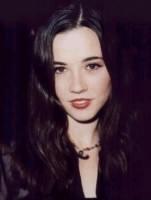
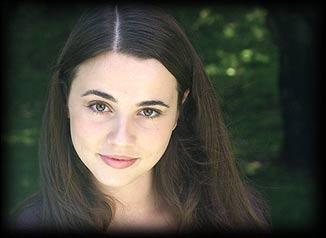
Undeclared - The Complete Series
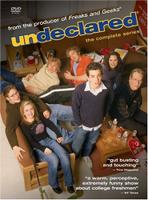
Recently rented Undeclared and was, as expected, happy to have done so. I had seen probably a good majority of the episodes when they originally aired, but this DVD set still featured a fair number of episodes I had never seen.
Undeclared was a natural next step for the Freaks and Geeks braintrust--their critically lauded, little-seen series about high school had hit the dust, so, as series creator Judd Apatow indicates in a Museum of Television & Radio panel included in the DVD set, it just seemed to make sense to move on to a series about the next step after high school--college. The Freaks and Geeks imprint can be seen primarily in the painfully realistically awkward and geeky Stephen, played winningly by Jay Baruchel, who could with slight adjustments just be Freaks and Geeks' Sam three years later. But Apatow was smart to surround his new Sam character with not the equally nerdy friends Sam had but with a random grouping of new, different friends--a very real dynamic that's repeated in colleges around the country every September as normally unlikely friendships are forged between roommates. So geeky Steven gets as new friends the almost-pretty English exchange student Lloyd; the witty Ron; and the cheerily sloppy slacker Marshall. To that core cast, he added across-the-hall roommates Lizzy and Rachel, who would provide romantic conflicts for the boys.
So far, so good. The setup was simple but real-feeling, the casting was perfect, and the writing was as sharp as it had been on Freaks and Geeks (if a bit less deep), with episodes just completely nailing that strange feeling of freedom college freshman feel, the let down of actual classes, the dynamics of dorm politics, and others. This series certainly stands on its own as an often painfully funny, real look at college. I recommend it. But where I think Apatow may have erred somewhat (and this is probably not at all the reason for the show's demise, just a fault I found in going through all the episodes one by one), was in his unflagging loyalty to his old Freaks and Geeks mates.
F&G regular Seth Rogen played Ron and was a regular writer for the show. That seemed to work, especially as Ron was demonstrably different from Ken, his old F&G character. But already in the first episode we were introduced to Lizzie's boyfriend-from-home, Eric, played by old F&G hand Jason Segel. And Jason would return for no less than six episodes--out of only 16 or so total. This clubby, junior brat pack atmosphere would extend throughout the show's run--with almost the entire F&G cast, save feature film-starring Linda Cardellini and James Franco, appearing in at least one episode. The result was that the show at times could almost feel like a club we the audience weren't really a part of. Segel's appearances, especially, seemed less an organic outshoot of the stories the series wanted to tell us, but a result of Apatow and the gang just loving hanging out with Segel and letting him go nuts on his goofy stalking boyfriend character. As I watched the episodes, I kind of wished Apatow had kept more of a firewall between the two projects, and let Undeclared be more of its own beast. It might not have saved it, but it might have let it develop--even in its short existence--as its own classic series, equal to, and different from, the classic F&G.
Sure, it's relatively a minor quibble, and the series is still well, well, well worth checking out. But that faint smell of what might have been permeates these episodes, at least for me.
Until Whenever
The Infamous Meat Grinder Is, Thankfully, Not One
Mark Evanier notes the American Society of Magazine Editors' choices for the "40 greatest magazine covers of the last 40 years." Here is the press release. Here is, if it's working again, the site with the actual covers.
Until Whenever
Mark Evanier notes the American Society of Magazine Editors' choices for the "40 greatest magazine covers of the last 40 years." Here is the press release. Here is, if it's working again, the site with the actual covers.
Until Whenever
Listing from All the Lists
Jaquandor has reacted to John Scalzi's list of the 100 canonical science fiction films (as compiled in Scalzi's just-released book, The Rough Guide to Science Fiction) by indicating which he's seen. So, of course, must I, in yet another attempt to bare to the blogosphere my shockingly limited cultural IQ. (Films I've seen are italicized).
The Adventures of Buckaroo Banzai
Across the 8th Dimension!
Akira
Alien
Aliens
Like many, but certainly not all, I prefer the second to the first, being more of an action film fan than a horror fan.
Alphaville
Back to the Future
Blade Runner
I'll join Jaquandor in reacting to this as being somewhat overrated.
Brazil
Bride of Frankenstein
Brother From Another Planet
A Clockwork Orange
Close Encounters of the Third Kind
Contact
The Damned
Destination Moon
The Day The Earth Stood Still
Delicatessen
I saw this once in a dorm room with a bunch of others in college and don't remember much--especially what made it science fiction. I do remember the brilliant percussive sex scene.
Escape From New York
ET: The Extraterrestrial
Rewatched this recently, and it holds up very well, not really reading as "dated" at all. Bodes well for its long-term life.
Flash Gordon: Space Soldiers (serial)
The Fly (1985 version)
Forbidden Planet
Ghost in the Shell
Gojira/Godzilla
The Incredibles
Invasion of the Body Snatchers (1956 version)
Jurassic Park
Mad Max 2/The Road Warrior
The Matrix
Sure, but have any sequels ever lived farther down to expectations?
Metropolis
On the Beach
Planet of the Apes (1968 version)
Robocop
Sleeper
Solaris (1972 version)
Star Trek II: The Wrath of Khan
Star Wars Episode IV: A New Hope
Star Wars Episode V: The Empire Strikes Back
The Stepford Wives
Superman
Terminator 2: Judgement Day
The Thing From Another World
Things to Come
Tron
12 Monkeys
Saw this once, remember loving it, but can't recall hardly anything of the plot. On it goes to the re-watch list.
28 Days Later
20,000 Leagues Under the Sea
2001: A Space Odyssey
Boring. Yeah, I said it. Want to fight about it?
La Voyage Dans la Lune
War of the Worlds (1953 version)
Until Whenever
Jaquandor has reacted to John Scalzi's list of the 100 canonical science fiction films (as compiled in Scalzi's just-released book, The Rough Guide to Science Fiction) by indicating which he's seen. So, of course, must I, in yet another attempt to bare to the blogosphere my shockingly limited cultural IQ. (Films I've seen are italicized).
The Adventures of Buckaroo Banzai
Across the 8th Dimension!
Akira
Alien
Aliens
Like many, but certainly not all, I prefer the second to the first, being more of an action film fan than a horror fan.
Alphaville
Back to the Future
Blade Runner
I'll join Jaquandor in reacting to this as being somewhat overrated.
Brazil
Bride of Frankenstein
Brother From Another Planet
A Clockwork Orange
Close Encounters of the Third Kind
Contact
The Damned
Destination Moon
The Day The Earth Stood Still
Delicatessen
I saw this once in a dorm room with a bunch of others in college and don't remember much--especially what made it science fiction. I do remember the brilliant percussive sex scene.
Escape From New York
ET: The Extraterrestrial
Rewatched this recently, and it holds up very well, not really reading as "dated" at all. Bodes well for its long-term life.
Flash Gordon: Space Soldiers (serial)
The Fly (1985 version)
Forbidden Planet
Ghost in the Shell
Gojira/Godzilla
The Incredibles
Invasion of the Body Snatchers (1956 version)
Jurassic Park
Mad Max 2/The Road Warrior
The Matrix
Sure, but have any sequels ever lived farther down to expectations?
Metropolis
On the Beach
Planet of the Apes (1968 version)
Robocop
Sleeper
Solaris (1972 version)
Star Trek II: The Wrath of Khan
Star Wars Episode IV: A New Hope
Star Wars Episode V: The Empire Strikes Back
The Stepford Wives
Superman
Terminator 2: Judgement Day
The Thing From Another World
Things to Come
Tron
12 Monkeys
Saw this once, remember loving it, but can't recall hardly anything of the plot. On it goes to the re-watch list.
28 Days Later
20,000 Leagues Under the Sea
2001: A Space Odyssey
Boring. Yeah, I said it. Want to fight about it?
La Voyage Dans la Lune
War of the Worlds (1953 version)
Until Whenever
Monday, October 17, 2005
The Blame Game
WARNING: LOST SPOILERS AHEAD
I've read much on-line grousing about the lameness of the promo to last week's Lost, which featured the heretofore Korean-only speaking Jin speaking English in an impeccable American accent. Turns out that it was naught but a dream sequence--Jin can't speak English after all(that we know of!). The grousing I've read centers around the lameness of the teaser, which I'm totally with. But the blame seems to be directed primarily at the Lost creators, which, if my rudimentary TV production knowledge is right, is unfair. I'm pretty sure that the network puts together the promos, not the show's producers. So it's ABC that ran with the misleading promo, not Lost. And, lame promo aside, the Jin-English moment was kind of cool and creepy, and very evocative of a dream. No dirty pool here. At least, not from Lost.
Until Whenever
WARNING: LOST SPOILERS AHEAD
I've read much on-line grousing about the lameness of the promo to last week's Lost, which featured the heretofore Korean-only speaking Jin speaking English in an impeccable American accent. Turns out that it was naught but a dream sequence--Jin can't speak English after all(that we know of!). The grousing I've read centers around the lameness of the teaser, which I'm totally with. But the blame seems to be directed primarily at the Lost creators, which, if my rudimentary TV production knowledge is right, is unfair. I'm pretty sure that the network puts together the promos, not the show's producers. So it's ABC that ran with the misleading promo, not Lost. And, lame promo aside, the Jin-English moment was kind of cool and creepy, and very evocative of a dream. No dirty pool here. At least, not from Lost.
Until Whenever
The Power of Grayskull
I heartily recommend this very interesting post by Jamie at Something Old on the old (how apropos) He-Man cartoon, and the business of using cartoons to sell toys in the first place.
Until Whenever
I heartily recommend this very interesting post by Jamie at Something Old on the old (how apropos) He-Man cartoon, and the business of using cartoons to sell toys in the first place.
Until Whenever
Nothing Like a List to Make You Feel Poorly Read
Time magazine has released its list of the "100 greatest novels of all time." I've read 18%:
Animal Farm-George Orwell
Are You There God? (It's Me, Margaret)-Judy Blume
Atonement-Ian McEwan
The Blind Assassin-Margrate Atwood
The Catcher in the Rye-J.D. Salinger
The Corrections-Jonathan Franzen
Go Tell It on the Mountain-James Baldwin
The Grapes of Wrath-John Steinbeck
The Great Gatsby-F. Scott Fitzgerald
Invisible Man-Ralph Ellison
The Lion, The Witch, and The Wardrobe-C.S. Lewis
Lord of the Flies-William Golding
1984-George Orwell
One Flew Over the Cuckoo's Nest-Ken Kesey
Ragtime-E.L. Doctorow
To Kill a Mockingbird-Harper Lee
Watchmen-Alan Moore and Dave Gibbons
White Teeth-Zadie Smith
Until Whenever
Time magazine has released its list of the "100 greatest novels of all time." I've read 18%:
Animal Farm-George Orwell
Are You There God? (It's Me, Margaret)-Judy Blume
Atonement-Ian McEwan
The Blind Assassin-Margrate Atwood
The Catcher in the Rye-J.D. Salinger
The Corrections-Jonathan Franzen
Go Tell It on the Mountain-James Baldwin
The Grapes of Wrath-John Steinbeck
The Great Gatsby-F. Scott Fitzgerald
Invisible Man-Ralph Ellison
The Lion, The Witch, and The Wardrobe-C.S. Lewis
Lord of the Flies-William Golding
1984-George Orwell
One Flew Over the Cuckoo's Nest-Ken Kesey
Ragtime-E.L. Doctorow
To Kill a Mockingbird-Harper Lee
Watchmen-Alan Moore and Dave Gibbons
White Teeth-Zadie Smith
Until Whenever
Friday, October 14, 2005
Doin' the Friday Shuffle
On your marks . . .
1. "Samwise the Brave" - Howard Shore - The Lord of the Rings: The Two Towers (score)
One of the really remarkable achievements in film scoring. This moment is a nicely uplifting and tender orchestral swelling moment for Sam.
2. "The Ladies Who Lunch" - Stephen Sondheim (sung by Elaine Stritch) - Company (Original Broadway Cast)
One of the most acclaimed and iconic song performances in Broadway history. Elaine Stritch is an amazing singing actress, and this just may be the highlight of her recorded career. In her one-woman show of a few years back, she admits to assuming that "Mahler," in the the line "A matinee, a Pinter play, perhaps a piece of Mahler's" referred to a local bakery. Go see a play and after get a piece of cake at Mahler's. Brilliant. Her anguished, repeated cries of "everybody dies" at the end are a master class in how to weave acting and singing for all of those musical theater actors with less-than-operatic voices.
3. "Living Waters" - Burkhard Dallwitz - The Truman Show (score)
Tense, unsettling music from the score.
4. "Human Wheels" - John Mellencamp - Human Wheels
One of Mellencamp's most underrated songs, a disarmingly melancholic rock piece with a strong backbeat, plaintive mandolin, and a wonderfully dry and almost defeated vocal. "While I with human-hindered eyes." Love that line.
5. "Stored Memories and Monica's Theme" - John Williams - A.I. (score)
I've proclaimed my love for this score elsewhere. This cut has some eerie low male and high female vocal choral singing that's particularly effective.
6. "Phrygian Gates - Part 3" - John Adams - Road Movies
Rumbling, stuttering piano from my second-favorite contemporary composer. (Don't blush, Arvo Part).
7. "Baby" - Dave Matthews - Some Devil
Pretty ballad from Matthews' solo debut.
8. "American Without Tears" - Elvis Costello - King of America
Costello with a slight, shuffling country feel. Pretty song.
9. "You Have Loved Enough" - Leonard Cohen - Ten New Songs
A little too happy-shiny in the arrangement for me. And by this point, Cohen had pretty much abandoned singing and just speaks the songs, not that effectively.
10. "Marion Barfs" - Clint Mansell - Requiem for a Dream (score)
Sad, sad music. This whole score is basically just umpteen variations on the same theme, but somehow it works. I still have to get my hands on the full orchestral version (the film's score used a string quartet) of the main theme that Peter Jackson used in the trailer for The Two Towers. Hey! Symmetry!
Until Whenever
On your marks . . .
1. "Samwise the Brave" - Howard Shore - The Lord of the Rings: The Two Towers (score)
One of the really remarkable achievements in film scoring. This moment is a nicely uplifting and tender orchestral swelling moment for Sam.
2. "The Ladies Who Lunch" - Stephen Sondheim (sung by Elaine Stritch) - Company (Original Broadway Cast)
One of the most acclaimed and iconic song performances in Broadway history. Elaine Stritch is an amazing singing actress, and this just may be the highlight of her recorded career. In her one-woman show of a few years back, she admits to assuming that "Mahler," in the the line "A matinee, a Pinter play, perhaps a piece of Mahler's" referred to a local bakery. Go see a play and after get a piece of cake at Mahler's. Brilliant. Her anguished, repeated cries of "everybody dies" at the end are a master class in how to weave acting and singing for all of those musical theater actors with less-than-operatic voices.
3. "Living Waters" - Burkhard Dallwitz - The Truman Show (score)
Tense, unsettling music from the score.
4. "Human Wheels" - John Mellencamp - Human Wheels
One of Mellencamp's most underrated songs, a disarmingly melancholic rock piece with a strong backbeat, plaintive mandolin, and a wonderfully dry and almost defeated vocal. "While I with human-hindered eyes." Love that line.
5. "Stored Memories and Monica's Theme" - John Williams - A.I. (score)
I've proclaimed my love for this score elsewhere. This cut has some eerie low male and high female vocal choral singing that's particularly effective.
6. "Phrygian Gates - Part 3" - John Adams - Road Movies
Rumbling, stuttering piano from my second-favorite contemporary composer. (Don't blush, Arvo Part).
7. "Baby" - Dave Matthews - Some Devil
Pretty ballad from Matthews' solo debut.
8. "American Without Tears" - Elvis Costello - King of America
Costello with a slight, shuffling country feel. Pretty song.
9. "You Have Loved Enough" - Leonard Cohen - Ten New Songs
A little too happy-shiny in the arrangement for me. And by this point, Cohen had pretty much abandoned singing and just speaks the songs, not that effectively.
10. "Marion Barfs" - Clint Mansell - Requiem for a Dream (score)
Sad, sad music. This whole score is basically just umpteen variations on the same theme, but somehow it works. I still have to get my hands on the full orchestral version (the film's score used a string quartet) of the main theme that Peter Jackson used in the trailer for The Two Towers. Hey! Symmetry!
Until Whenever
Thursday, October 13, 2005
What's the Monthly Mortgage Check Look Like
Amusing, Lifestyles of the Rich and Famous-esque, piece up on MSN.com about the ten most expensive listed homes on the real estate market in the US. The #1 home, a 60-acre estate in the Hamptons, lists for $75 million. It has its own golf course.
Why did my three-bedroom converted Cape just feel a lot smaller?
Silly rich people.
Until Whenever
Amusing, Lifestyles of the Rich and Famous-esque, piece up on MSN.com about the ten most expensive listed homes on the real estate market in the US. The #1 home, a 60-acre estate in the Hamptons, lists for $75 million. It has its own golf course.
Why did my three-bedroom converted Cape just feel a lot smaller?
Silly rich people.
Until Whenever
Wednesday, October 12, 2005
A Rare Sighting
I stopped reading comics regularly about two years ago. Not because I thought myself, on the precipice of 30, "above" them, but simply because for the first time since college I found myself without easy access to a comic book store. I tried the on-line route for a while, ordering from Midtown Comics, which I used to frequent when I worked in Times Square, but was not diligent enough to keep up with ongoing series, and after too many frustrating times of missing issues in the middle of storylines, I stopped, more or less cold turkey. I've kept up with Ultimate Spider-Man via the trades, and read a handful of other collections (I just got the first Ultimates 2 trade, which I loved, but I find, ironically, that shelling out the cash for trade after trade just seems too expensive (even if I intellectually know that I was spending far more when buying 4-6 titles a week).
All of this preamble is just to preface my statement that I haven't followed any of the Identity Crisis stuff going on at DC. So I was surprised to see that the comic (which came out today I guess), and the new direction it heralds for DC, got an article in The New York Times. It's a good piece too, explaining to this lapsed fan what DC was doing pretty clearly. Anyway, it's always nice to see the four-color men and women in tights get a prominent mention in the mainstream press.
Until Whenever
I stopped reading comics regularly about two years ago. Not because I thought myself, on the precipice of 30, "above" them, but simply because for the first time since college I found myself without easy access to a comic book store. I tried the on-line route for a while, ordering from Midtown Comics, which I used to frequent when I worked in Times Square, but was not diligent enough to keep up with ongoing series, and after too many frustrating times of missing issues in the middle of storylines, I stopped, more or less cold turkey. I've kept up with Ultimate Spider-Man via the trades, and read a handful of other collections (I just got the first Ultimates 2 trade, which I loved, but I find, ironically, that shelling out the cash for trade after trade just seems too expensive (even if I intellectually know that I was spending far more when buying 4-6 titles a week).
All of this preamble is just to preface my statement that I haven't followed any of the Identity Crisis stuff going on at DC. So I was surprised to see that the comic (which came out today I guess), and the new direction it heralds for DC, got an article in The New York Times. It's a good piece too, explaining to this lapsed fan what DC was doing pretty clearly. Anyway, it's always nice to see the four-color men and women in tights get a prominent mention in the mainstream press.
Until Whenever
Buried Beauties Vol. IV - Patricia Heaton
Raymond was a lucky man. As you may have guessed from previous entries, I appreciate film and television actresses who are pretty in a real-world sort of way--that is, you could imagine them walking down your street. Heaton is not bombshelly, or glam, but very pretty in a classical kind of way.


Until Whenever
Raymond was a lucky man. As you may have guessed from previous entries, I appreciate film and television actresses who are pretty in a real-world sort of way--that is, you could imagine them walking down your street. Heaton is not bombshelly, or glam, but very pretty in a classical kind of way.


Until Whenever
The U2 Canon - The Unforgettable Fire
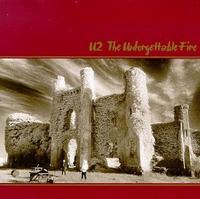
U2 takes a left turn from the more poppy, concrete structures and sounds on War and emerge with a more amorphous, atmospheric sound that has been dubbed by some as "European" to War's "American" sound. Gone are the horns and piano and in their place are synthesized strings and background synthesized wash effects. The Unforgettable Fire shows U2 getting more self-consciously arty for the first time, an angle they would continue to develop and expand upon throughout the course of their career. Those minimalist, repetitive guitar figures from the Edge return as well, more developed and less straightforward than they were on the band's first two albums. This is the album that cracked the door to the two classics that would come afterwards--1997's The Joshua Tree and 1992's Achtung Baby--considered by many to be the two really and truly great--as in "Sgt. Pepper or Highway 61 or Pet Sounds" great albums of U2's career. The sounds the band plays around with here would really become the core of those two albums, albeit in very different ways.
1. "A Sort of Homecoming"--A great, pounding, relentless, almost tribal drumbeat from Larry anchors this kick-off track, with the Edge sailing over the song from above with ringing short stabs of guitar. This song has the earmarks of a classic but never really took off. The album's glaring flaw are some very amorphous and generic lyrics from Bono, but the lyrics here are particularly strong in the way they evoke an end-of-the-world apocolyptic vision: "The wind will crack in wintertime/This bomb-blast lightning waltz/No spoken words/Just a scream." Bono continues to develop as a vocalist as well, letting loose with some unabashedly emotive high bellowed notes near the end of the song.
2. "Pride (In the Name of Love)"--One of two lasting classics spawned off of this album. The riff in this song is probably the defining riff of the Edge's career, and rightly so. It's a great figure, in the way it builds tension and yet resolves so cleanly. Bono's high notes on the chorus are still thrilling in their lack of any distancing or ironic effect--he's just singing with great open emotion. The Martin Luther King-inspired lyrics do just enough without getting overly mushy or biographical to get the point of the song across, even with the infamous "mistake." (MLK wasn't killed in the morning).
3. "Wire"--A hard-driving bit of rock after the more mellow rock of the first two numbers. One of Adam's best-ever bass lines gives this song a great propulsiveness, and the stuttering, schizophrenic guitar adds real tension. The way the song plays with the mindset of a killer, the way it tries to get into that dark space, would be a recurring thematic motif for the band, with a "dark" song or two appearing on most of their subsequent albums. And I have to once again mention how strong Bono's vocals are getting here, deep and powerful tones with a great degree of control.
4. "The Unforgettable Fire"--A rare excursion into a heavy orchestral-synth dominated sound for the band actually works very well, with a wonderfully moody vibe coming out of the music. The bridge features one of the most purely gorgeous, rangy and operatic melodies the band ever came up with "And if the mountains should crumble/Or disappear into the sea/Not a tear, no not I." And the ending, pure synth orchestra bringing the music to a natural close, is just beautiful.
5. "Promenade"--Not a great song. An attempt at hazy mood-setting with barely developed musical lines and a wash of sound obscuring the whole thing. A bit of a letdown after the great opening songs.
6. "4th of July"--A real U2 rarity, an instrumental track. Another failed experiment, ambient, slow-moving stuff with an excessively simple bass line giving the thing only the semblance of a pulse. This and the previous track really slow down the album here.
7. "Bad"--The other timeless classic off of the album. "Bad" to me always fares better live than in this studio version, but even here, the hypnotic power of the song comes through. The Edge really shines here, not with anything at all showy, but with the way that he understands that the simpleness of the guitar figure, over the course of the song, can really add up to something beautiful. This is a much longer song than your typical U2 song (over six minutes) and they handle the epic feel and flow of the piece surprisingly well, using the length very effectively to really build up to something special. A top ten U2 track.
8. "Indian Summer Sky"--After a slew of slower songs the pace is picked up again with this solid track, which nicely combines some of the synthy moodiness that permeates the whole album with a more aggressive beat. Larry and Adam really make this one work.
9. "Elvis Presley and America"--Famously improvised by Bono over a backing track the band had lying around the studio, this track is, truth be told, a bit of a mess. The music is formless and undistinguished, the vocal is lazy and slurred, and the two combine to form the less than the sum of their parts. And the lyric is pretty much just nonsense that doesn't add up to anything.
10. "MLK"--A great capper to an uneven album, with Bono reverently singing an impassioned prayer to Martin Luther King over sustained organ chords. One of those songs that shouldn't work, that should just be irredeemably cheesy, but that's in actuality very effective and haunting.
Until Whenever
U2 takes a left turn from the more poppy, concrete structures and sounds on War and emerge with a more amorphous, atmospheric sound that has been dubbed by some as "European" to War's "American" sound. Gone are the horns and piano and in their place are synthesized strings and background synthesized wash effects. The Unforgettable Fire shows U2 getting more self-consciously arty for the first time, an angle they would continue to develop and expand upon throughout the course of their career. Those minimalist, repetitive guitar figures from the Edge return as well, more developed and less straightforward than they were on the band's first two albums. This is the album that cracked the door to the two classics that would come afterwards--1997's The Joshua Tree and 1992's Achtung Baby--considered by many to be the two really and truly great--as in "Sgt. Pepper or Highway 61 or Pet Sounds" great albums of U2's career. The sounds the band plays around with here would really become the core of those two albums, albeit in very different ways.
1. "A Sort of Homecoming"--A great, pounding, relentless, almost tribal drumbeat from Larry anchors this kick-off track, with the Edge sailing over the song from above with ringing short stabs of guitar. This song has the earmarks of a classic but never really took off. The album's glaring flaw are some very amorphous and generic lyrics from Bono, but the lyrics here are particularly strong in the way they evoke an end-of-the-world apocolyptic vision: "The wind will crack in wintertime/This bomb-blast lightning waltz/No spoken words/Just a scream." Bono continues to develop as a vocalist as well, letting loose with some unabashedly emotive high bellowed notes near the end of the song.
2. "Pride (In the Name of Love)"--One of two lasting classics spawned off of this album. The riff in this song is probably the defining riff of the Edge's career, and rightly so. It's a great figure, in the way it builds tension and yet resolves so cleanly. Bono's high notes on the chorus are still thrilling in their lack of any distancing or ironic effect--he's just singing with great open emotion. The Martin Luther King-inspired lyrics do just enough without getting overly mushy or biographical to get the point of the song across, even with the infamous "mistake." (MLK wasn't killed in the morning).
3. "Wire"--A hard-driving bit of rock after the more mellow rock of the first two numbers. One of Adam's best-ever bass lines gives this song a great propulsiveness, and the stuttering, schizophrenic guitar adds real tension. The way the song plays with the mindset of a killer, the way it tries to get into that dark space, would be a recurring thematic motif for the band, with a "dark" song or two appearing on most of their subsequent albums. And I have to once again mention how strong Bono's vocals are getting here, deep and powerful tones with a great degree of control.
4. "The Unforgettable Fire"--A rare excursion into a heavy orchestral-synth dominated sound for the band actually works very well, with a wonderfully moody vibe coming out of the music. The bridge features one of the most purely gorgeous, rangy and operatic melodies the band ever came up with "And if the mountains should crumble/Or disappear into the sea/Not a tear, no not I." And the ending, pure synth orchestra bringing the music to a natural close, is just beautiful.
5. "Promenade"--Not a great song. An attempt at hazy mood-setting with barely developed musical lines and a wash of sound obscuring the whole thing. A bit of a letdown after the great opening songs.
6. "4th of July"--A real U2 rarity, an instrumental track. Another failed experiment, ambient, slow-moving stuff with an excessively simple bass line giving the thing only the semblance of a pulse. This and the previous track really slow down the album here.
7. "Bad"--The other timeless classic off of the album. "Bad" to me always fares better live than in this studio version, but even here, the hypnotic power of the song comes through. The Edge really shines here, not with anything at all showy, but with the way that he understands that the simpleness of the guitar figure, over the course of the song, can really add up to something beautiful. This is a much longer song than your typical U2 song (over six minutes) and they handle the epic feel and flow of the piece surprisingly well, using the length very effectively to really build up to something special. A top ten U2 track.
8. "Indian Summer Sky"--After a slew of slower songs the pace is picked up again with this solid track, which nicely combines some of the synthy moodiness that permeates the whole album with a more aggressive beat. Larry and Adam really make this one work.
9. "Elvis Presley and America"--Famously improvised by Bono over a backing track the band had lying around the studio, this track is, truth be told, a bit of a mess. The music is formless and undistinguished, the vocal is lazy and slurred, and the two combine to form the less than the sum of their parts. And the lyric is pretty much just nonsense that doesn't add up to anything.
10. "MLK"--A great capper to an uneven album, with Bono reverently singing an impassioned prayer to Martin Luther King over sustained organ chords. One of those songs that shouldn't work, that should just be irredeemably cheesy, but that's in actuality very effective and haunting.
Until Whenever
Tuesday, October 11, 2005
And Then No More Again
I see at TV on DVD that Once and Again: The Complete Third Season will be out on January 10. Huzzah!! Now, if Blockbuster would only get the damn Season Two discs in already--they've been in my queue for a month, were released on August 23rd, and yet are still listed as "Coming Soon." Hmph. For an excessively comprehensive look at the first season, see my post here.
Until Whenever
I see at TV on DVD that Once and Again: The Complete Third Season will be out on January 10. Huzzah!! Now, if Blockbuster would only get the damn Season Two discs in already--they've been in my queue for a month, were released on August 23rd, and yet are still listed as "Coming Soon." Hmph. For an excessively comprehensive look at the first season, see my post here.
Until Whenever
Subscribe to:
Posts (Atom)